History and Philosophy
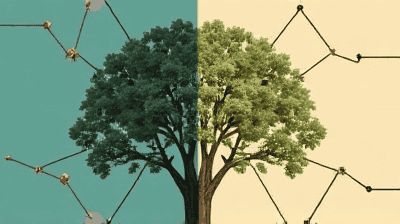
Occam's Razor in the Age of Multiverses: Is Simplicity Still a Virtue in Physics
Occam's Razor in the Age of Multiverses: Is Simplicity Still a Virtue in Physics?

In the realm of scientific inquiry, the principles that govern our understanding of the universe are continually challenged and refined. Among these principles is Occam's Razor, a philosophical axiom attributed to the 14th-century logician and Franciscan friar William of Ockham.
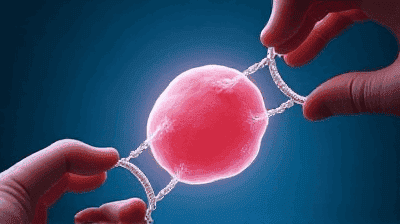

Should We Edit Human Embryos The CRISPR Ethics Debate Explained
Should We Edit Human Embryos? The CRISPR Ethics Debate Explained

The advent of CRISPR technology has sparked a paradigm shift in the field of genetics and biotechnology, opening up unprecedented possibilities for gene editing and manipulation. While CRISPR holds the promise of curing genetic diseases and advancing medical science, it also poses profound ethical questions, particularly when it comes to editing human embryos.

Alchemy to Chemistry: When Did Pseudoscience Become Real Science
Alchemy to Chemistry: When Did Pseudoscience Become Real Science?

The transformation of alchemy into modern chemistry is one of the most fascinating stories in the history of science. Alchemy, often romanticized as the quest to turn base metals into gold and discover the elixir of life, is frequently dismissed as a pseudoscience.

Nature vs. Nurture: How the Debate Evolved from Philosophy to Genetics

The age-old debate of nature versus nurture has intrigued philosophers, scientists, and the general public for centuries. This discussion seeks to understand the extent to which our genetics (nature) or our environment and experiences (nurture) shape who we are as individuals.

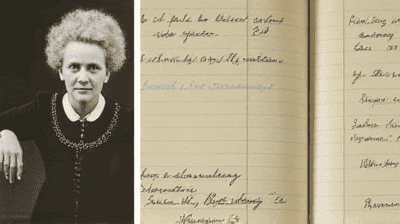
Marie Curie's Notebooks: Still Radioactive a Century Later – The Price of Discovery

Marie Curie is often celebrated as one of the most notable scientific pioneers of the 20th century. Best known for her groundbreaking research on radioactivity—a term she coined—Curie's work laid the foundation for advancements that would transform medicine, energy production, and our understanding of atomic science.

Lost Knowledge of the Library of Alexandria: How Much Science Vanished in the Flames
Lost Knowledge of the Library of Alexandria: How Much Science Vanished in the Flames?

The Library of Alexandria, located in the ancient city of Alexandria, Egypt, has long been regarded as one of the most significant centers of knowledge in the ancient world. Founded in the early 3rd century BCE under the Ptolemies, the library aimed to collect all the world's knowledge and serve as a beacon of learning for scholars from various cultures.

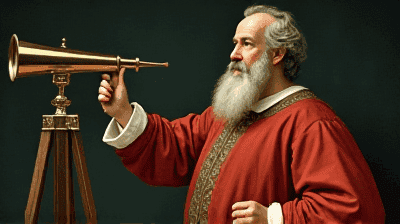
Galileo's Telescope: How One Instrument Sparked the Scientific Revolution

The dawn of the 17th century marked a pivotal moment in human history—the emergence of the Scientific Revolution. This transformative period reshaped humanity's understanding of the cosmos, laying the groundwork for modern science.

The Forgotten Women of ENIAC: Programming Pioneers Written Out of Tech History

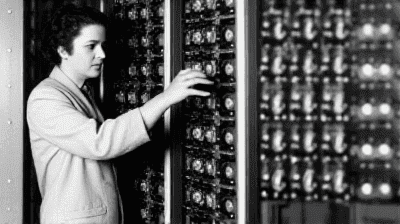
In the annals of computer history, the story often revolves around groundbreaking innovations, visionary engineers, and the machines that changed the world. However, a significant chapter remains largely untold: the critical contributions of women who played vital roles in the development of early computing systems, particularly the Electronic Numerical Integrator and Computer (ENIAC).

The Manhattan Project's Moral Dilemma: Science, War, and the Birth of the Atomic Age

The Manhattan Project remains one of the most significant and controversial scientific undertakings in history. This unprecedented effort during World War II led to the development of the atomic bomb, marking a profound shift in global power dynamics and ethical considerations surrounding science and technology.

Pascal's Wager for AI: Should We Assume Superintelligence Will Be Friendly
Pascal's Wager for AI: Should We Assume Superintelligence Will Be Friendly?

The rapid advancement of artificial intelligence (AI) presents both remarkable opportunities and profound risks. As we approach the possibility of superintelligent AI—intelligence that surpasses the best human minds in practically every field—we face critical questions about its nature and implications.

  • 1
  • 2